


Downtown Winnipeg Good Samaritan Assaulted While Aiding Suspected Overdose: Community Safety Brief
Overview of the Incident
On the afternoon of March 19, 2026, a 45-year-old woman was assaulted and robbed in downtown Winnipeg after stopping to assist a man believed to be experiencing an overdose. According to information released by the Winnipeg Police Service (WPS), the incident took place shortly before 5 p.m. near the intersection of Logan Avenue and Main Street, a busy corridor on the north edge of the downtown core.
Police say the woman noticed a man collapsed and appearing to be in medical distress. As she attempted to help and called 911, another man allegedly approached, physically attacked her, and stole her cellphone and smartwatch. The victim sustained minor injuries and was examined and cleared at the scene by the Winnipeg Fire Paramedic Service. As of the latest open-source checks, no arrest or suspect identification has been publicly reported, and the investigation remains active under the WPS Major Crimes Unit.
Suspect Description and Investigation Status
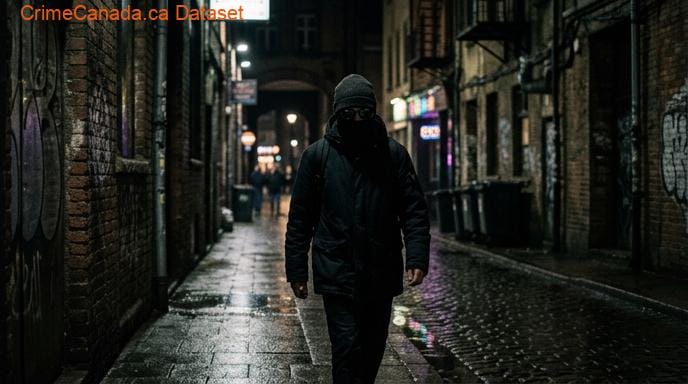
The suspect being sought by the WPS Major Crimes Unit is described as a man approximately 5’10" tall, with short hair, clean-shaven, and with visible tattoos on his neck and hands. At the time of the incident, he was reported to be wearing a black jacket and black jeans. Police have appealed to the public for assistance and have released dedicated contact numbers for tips related to this case.
Based on a review of open-source information and recent police communication, there have been no public announcements of charges or a suspect being taken into custody since the March 19 event. The case is therefore best understood as an ongoing investigation, with authorities still seeking information that could help identify and locate the individual involved.
Community Context & Social Sentiment
The intersection of Logan Avenue and Main Street sits in a part of downtown Winnipeg that regularly sees a mix of commuter traffic, service agencies, and vulnerable populations, including individuals struggling with substance use. While detailed crime data for this precise corner are not readily available, downtown Winnipeg is broadly recognized as having higher rates of certain offences compared to many residential neighbourhoods in the city. For a fuller picture of local patterns, residents can consult the Winnipeg Crime Statistics & Safety Report, which contextualizes trends in assaults, robberies, and other offences across the city.
A scan of recent online discussions, including platforms such as Reddit and X (Twitter), did not uncover substantial public commentary specific to this incident. No widely shared posts, viral threads, or identifiable quotes referencing the March 19 assault-robbery were found in the open-source review. This absence of visible online reaction does not mean the event is insignificant to residents; it may simply indicate that the incident did not gain broad social media traction or that conversation is occurring in private or localized channels rather than citywide forums.
From a community safety perspective, the circumstances of this event are particularly concerning because they involve a bystander attempting to provide life-saving aid to a person believed to be overdosing. Situations like this can create fear or hesitation among community members who might otherwise step forward to help in emergencies. At the same time, many Winnipeg residents continue to act as Good Samaritans, supported by emergency responders and public health initiatives aiming to reduce overdose deaths and promote safer responses to drug-related crises.
Location Safety Profile
Downtown Winnipeg, including the Main Street corridor, is a complex environment where social services, businesses, transit routes, and nightlife converge. This mix can sometimes elevate the risk of person-on-person offences, particularly during evening and late-afternoon hours when foot traffic is high. Broader analyses of Winnipeg-area crime statistics and safety data show that violent incidents cluster more frequently in central urban zones than in many outlying communities such as smaller Manitoba municipalities.
Residents and workers in the downtown area often adapt with personal safety strategies: travelling in pairs where possible, maintaining situational awareness, and keeping valuables less visible. Community organizations and outreach teams are also active in the area, providing support related to addiction, homelessness, and mental health—factors that frequently intersect with public safety concerns and emergency medical events such as overdoses.
How This Incident Fits Into Broader Crime Trends
While incident-level details from this case come from Winnipeg, much of the readily available statistical context referenced in open sources relates to other large Canadian cities, such as Toronto. Those data cannot be directly applied to Winnipeg, but they help illustrate national urban patterns. For example, recent analyses of Toronto crime data indicate that assaults make up more than half of major police-reported crimes in that city, and robberies, while serious, occur at lower volumes than assaults. Toronto has seen modest decreases in reported assaults and a notable drop in robberies in recent years, even as public concern about visible street crime and disorder remains high.
Winnipeg’s own crime profile has its own dynamics and should be understood through local data and not through another city’s lens. Publicly available summaries, including the Winnipeg Crime Statistics & Safety Report, consistently show that violent crime in Winnipeg tends to concentrate in certain neighbourhoods and commercial districts, including parts of the downtown and inner-city areas. Incidents that combine elements of assault, robbery, and interactions around suspected overdoses highlight how public safety, health, and social challenges often converge in the same spaces.
This case is also a reminder that crime does not always follow a simple pattern of targeted disputes or planned robberies; sometimes, offences arise suddenly in the context of emergency or medical crises in public. That can complicate prevention efforts, as Good Samaritans are not acting recklessly but responding to what appears to be a life-threatening situation.
Practical Safety Considerations for Bystanders
Events like the March 19 assault can understandably make people reconsider how to respond when they encounter someone who appears to be overdosing or otherwise in crisis. Authorities and health organizations typically encourage the public to call 911 in any suspected overdose situation and, where safe and possible, to follow dispatcher instructions for basic first aid or naloxone administration.
When providing aid in public spaces, practical steps may help balance compassion with personal safety:
- Quickly scan the surroundings for other individuals who may be nearby or approaching before kneeling down or becoming fully focused on the person in distress.
- Where possible, position yourself in a way that allows you to see anyone approaching while speaking with the 911 operator.
- Keep essential communication devices close, but avoid displaying high-value items more than necessary.
- If you feel unsafe at any point, create distance while staying on the line with 911 and updating them about the situation.
These tips cannot remove all risk, and they should not overshadow the importance of emergency assistance to someone experiencing a potential overdose. Instead, they are intended to help residents remain both helpful and mindful in higher-risk environments.
About This Report
This safety alert was generated by aggregating data from local authorities, community reports, and open-source intelligence. Our mission at Crime Canada is to provide citizens with localized safety data and context. We are not the original creators of the underlying news reports.
Primary Source: Information in this report was initially covered by News Staff for CityNews.
Additional Research & Context
- Broader urban crime trends and statistical context referenced in this brief draw on analyses of major crime categories in large Canadian cities, including data summarized in Toronto-focused crime reviews such as 2025 Toronto crime rate statistics.
- Comparative perspective on robbery, assault, and overall crime rates is informed by independent security and safety analyses, including aggregated summaries such as those found in Toronto crime statistics over recent years.
- General background on crime patterns in major Canadian metropolitan areas, including Toronto, is supplemented by public reference sources like Crime in Toronto, used solely for high-level context and not for Winnipeg-specific figures.