


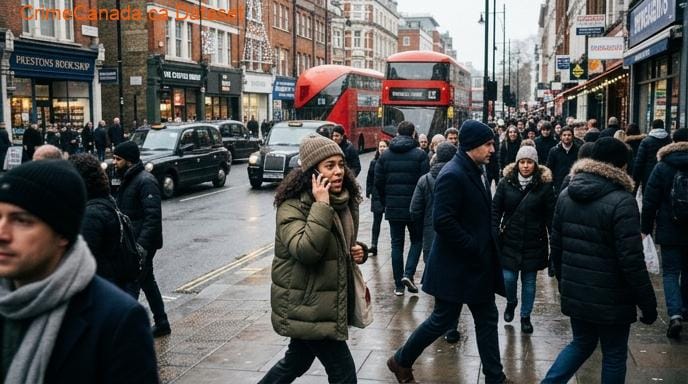
Downtown Toronto Drugging and Robbery Probe Sparks Hotel Safety Concerns
Toronto police are investigating an alleged drugging and robbery in the city’s downtown core and are searching for three women believed to be involved. The reported incident occurred in the early morning hours of March 29, 2026, beginning at a hotel in the Yonge Street and Gerrard Street area and ending at a second hotel near University Avenue and Adelaide Street West.
According to information released by investigators, the victim met a woman at a downtown hotel and later went up to her room. Police allege an unknown substance was mixed into the victim’s drink, leading to sudden illness. The victim was then escorted to a black Dodge Durango, where two additional female suspects were waiting. Investigators say the suspects took the victim’s phone, made multiple e‑transfers to themselves until limits were reached, and then brought the victim to an ATM to withdraw more cash before driving to another hotel, where the victim was ultimately left behind. As of the latest open-source review, no arrests, charges, or further official updates have been publicly confirmed, and police have indicated they believe there may be additional victims.
Community Context & Social Sentiment
The area around Yonge and Gerrard sits within Toronto’s busy downtown core, a zone that blends tourism, nightlife, student housing, and office activity. This density tends to produce higher reported crime counts than quieter suburban or rural communities. Similar patterns can be seen when comparing large urban centres to smaller municipalities across Canada—for example, crime patterns in major cities often differ significantly from those in smaller communities such as Three Rivers in Prince Edward Island or in more remote areas like Liard River 3 in British Columbia.
Despite the seriousness of this specific case, social media activity directly referencing the incident appears limited. OSINT review of Reddit forums such as r/Toronto and recent posts on X (formerly Twitter) under general Toronto crime discussions shows broader concern about downtown hotel safety, escort-related scams, and digital banking vulnerabilities, but not a large volume of posts tied clearly to this particular file. The prevailing tone in related discussions is one of concern and unease—people frequently mention worries about drink tampering, meeting new acquaintances in private rooms, and the ease with which e‑transfers can be abused when a phone or banking app is compromised.
Community commentary more generally highlights a mix of feelings: recognition that overall violence in Toronto has been trending downward, paired with anxiety about targeted, opportunistic crimes—especially those that involve impaired victims, cash withdrawals, and electronic transfers. Incidents such as this one tend to raise questions about hotel security protocols, surveillance coverage in parking areas, and the safeguards offered by banks and e‑transfer providers when customers are coerced.
Statistical Overview & How This Fits Toronto’s Crime Picture
While the details of this case are disturbing, available statistics indicate it is part of a narrower category of offences rather than a citywide surge in robberies. Toronto’s overall crime rate in 2025 was approximately 4,177 incidents per 100,000 residents, with a Crime Severity Index of about 59.4—notably below the reported Canadian national average near 79.2. This places Toronto among the large cities where, despite high absolute numbers of incidents, risk on a per-resident basis is comparatively moderated.
Robbery trends provide important context: Toronto recorded roughly 2,531 robberies in 2025, an estimated 18.7% decrease from about 3,112 the previous year. Robberies involving weapons reportedly fell from around 888 to 694 in the same period. Many of these cases involve street-level encounters or convenience store incidents; however, a subset—such as the case under investigation here—relies on deception, impaired victims, and digital financial exploitation rather than overt weapon use.
Assaults remain the largest single contributor to major crime in the city, making up roughly 54% of major crime incidents, but even this category shows a modest decline of around 2.4% from 2024 levels. Downtown neighbourhoods like the Yonge-Gerrard corridor and nearby areas such as Moss Park continue to record elevated incident counts compared with much smaller communities. This contrast mirrors differences seen between large urban centres and small municipalities across the country, such as Trois-Rives in Quebec, where volumes and crime mixes are shaped by population size, local economy, and geography.
For residents, workers, and visitors in downtown Toronto, the statistical trend lines suggest that serious violent crime is not spiraling upward; in fact, homicides, shootings, and certain property crimes have been decreasing. However, the nature of this alleged drugging and robbery highlights other persistent risks: encounters that begin as seemingly consensual meetings, rapid exploitation of smartphones and banking apps, and the difficulty victims face in recognizing they are being targeted until after their capacity to respond has been compromised.
Authorities have emphasized that they believe other individuals may have been victimized in similar circumstances. Anyone who recalls unexplained financial transactions, memory gaps after drinks in hotel settings, or suspicious encounters involving rides to ATMs is encouraged to contact Toronto Police Service or Crime Stoppers. Early reporting can help investigators link cases, identify patterns, and potentially prevent further incidents.
About This Report
This safety alert was generated by aggregating data from local authorities, community reports, and open-source intelligence. Our mission at Crime Canada is to provide citizens with localized safety data and context. We are not the original creators of the underlying news reports.
Primary Source: Information in this report was initially covered by John Marchesan for CityNews.
Additional Research & Context
- Citywide crime trends, including robbery and assault figures, were informed by Toronto Police Service data and analytical summaries available through resources such as the TPS open data portal at data.tps.ca.
- Context on Toronto’s 2025 crime rate, Crime Severity Index, and shifts in robbery and assault patterns was drawn from legal and security analyses summarizing police statistics, including reviews published by local law and security organizations.
- Downtown crime distribution and hotspot mapping, including areas like Yonge-Gerrard and Moss Park, were cross-referenced using interactive dashboards such as the TPS ArcGIS crime visualization tools.