


Replica Firearm Arrest Sparks Lockdown and Communication Concerns at University of Ottawa
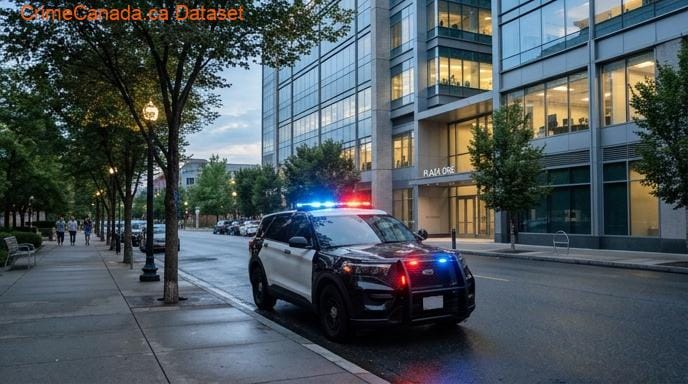
A Friday evening police response near the University of Ottawa campus triggered a two-hour lockdown after reports of a suspicious person described as a potential violent threat. Ottawa Police arrested a man in the area and later confirmed he was allegedly carrying a replica firearm. He now faces charges of possession of a dangerous weapon and mischief. No injuries were reported, and investigators say there is no ongoing threat to public safety.
The university issued an emergency lockdown notice as officers began searching the area, urging people to shelter in place while the situation was assessed. The alert was lifted approximately two hours later once an arrest was made and the scene was secured. As of the latest available information, police have not released the suspect’s name, there have been no upgrades to the charges, and authorities indicate the incident is considered resolved.
Community Context and Campus Reaction
While the immediate physical threat ended without harm, the way information was shared with students and staff has become a central point of debate. The University of Ottawa Students’ Union publicly criticized the response, arguing that many students were not directly informed that a lockdown was underway. According to the union, alerts were primarily sent through the university’s SecurUO safety app, leaving those who had not installed or enabled it relying on word-of-mouth or social media to understand what was happening.
Online discussions reflect a mix of relief and frustration. On Reddit’s r/ottawa forum, some students described learning about the lockdown through group chats and social media rather than official channels, leading to confusion about whether classes should continue and where it was safe to move on campus. On X (formerly Twitter), posts under hashtags related to the lockdown questioned why email or additional alert channels were not more fully used, with some users arguing that a single primary tool is not enough during a fast-moving safety incident.
University officials, through a spokesperson, defended their reliance on the SecurUO app as the fastest and most reliable way to reach the campus community during emergencies. They noted that email delivery can be delayed or inconsistent when seconds matter. At the same time, the university has acknowledged the stress and anxiety caused by the lockdown and has committed to a comprehensive review of the emergency response, including how alerts were distributed. Students and staff have been reminded that wellness supports are available for anyone affected by the experience.
From a broader safety perspective, the area around the University of Ottawa is not typically characterized by high levels of serious violence. Publicly available data, including regional overviews such as the Ottawa crime statistics and safety data, indicate that the city generally trends toward moderate crime levels compared with other large Canadian urban centres. Campus-wide lockdowns remain relatively rare and tend to be triggered by precautionary responses to reported threats, as in this case, rather than confirmed acts of violence.
Social Sentiment: Trust, Technology, and Transparency
In the aftermath, much of the community conversation has focused less on the replica firearm itself and more on emergency communication practices. Students have voiced concern that depending heavily on a single app can leave gaps when not everyone has downloaded it, is logged in, or has notifications enabled. Some comments suggest that, during the lockdown, there were significant differences in what people knew based on whether they saw the SecurUO alert, heard from a professor, or learned about the situation on social media.
This dynamic has led to broader questions about institutional trust and transparency. For some community members, being left uncertain about the nature of the threat—whether it was an active attacker, a vague threat, or a suspicious-person report—added to their fear. Others argued that the incident illustrates the importance of routine emergency drills and clear instructions on what to do when a lockdown is declared, particularly for new students or visitors who may not be familiar with local protocols.
Crime Canada’s own national safety alerts archive shows that across Canadian campuses, communication gaps are a recurring theme whenever lockdowns or shelter-in-place orders are issued. Events that end without injuries, such as this one, still leave lasting impressions and often become catalysts for reviewing and tightening notification systems.
Statistical Overview: How This Incident Fits Broader Trends
Based on available open-source data and national crime reporting, this incident appears to be an outlier rather than part of a pattern of escalating campus violence in Ottawa. Statistics Canada figures show that the Ottawa census metropolitan area has maintained a relatively stable homicide rate, around 1.5 per 100,000 residents in recent years, which is low compared with many North American cities. University campuses, including urban institutions like the University of Ottawa, are generally considered lower-risk zones for serious violent crime than surrounding city averages.
Across Canada’s larger cities, public safety discussions increasingly include incidents involving replica firearms or weapons that appear real to witnesses. These events often result in charges related to possession of a weapon for a dangerous purpose or mischief, as seen in this case, even when no actual attack occurs. Similar trends in other urban centres—such as declines in the most serious violent crimes but persistent reports of weapon-related calls—highlight how quickly a report of a suspicious person can escalate to a full tactical response and lockdown until police confirm there is no active threat.
Regional crime overviews, such as the Ottawa–Gatineau crime statistics and safety report, reinforce that while isolated high-profile incidents draw intense attention, they do not necessarily signal a sustained increase in campus risk. Instead, they often expose gaps in preparedness, notification tools, and public understanding of emergency procedures. This University of Ottawa incident fits that pattern: a rapid police response, no injuries, charges laid, and then a second wave of concern focused on how—and how quickly—people were informed.
For students, staff, and nearby residents, the main takeaways from this event are practical. Ensuring the SecurUO app (or any official alert system) is installed and configured, staying aware of campus safety guidance, and understanding what a lockdown means in practice can all reduce confusion during future incidents. At the institutional level, the comprehensive review promised by university officials will likely examine how to layer communication channels—apps, public address systems, in-class announcements, and, where feasible, email—to reach as many people as possible in the shortest time.
About This Report
This safety alert was generated by aggregating data from local authorities, community reports, and open-source intelligence. Our mission at Crime Canada is to provide citizens with localized safety data and context. We are not the original creators of the underlying news reports.
Primary Source: Information in this report was initially covered by John Marchesan for CityNews.
Additional Research & Context
- General crime and safety trends for the Ottawa region are outlined in regional StatCan tables, including homicide and violent crime rates for the Ottawa CMA.
- Community discussions and eyewitness perspectives on the lockdown and communication issues were reviewed from Reddit’s r/ottawa and public X (Twitter) posts linked to the University of Ottawa lockdown.
- University emergency communication practices and reliance on the SecurUO safety app were cross-referenced with information from the University of Ottawa’s official campus safety pages.