


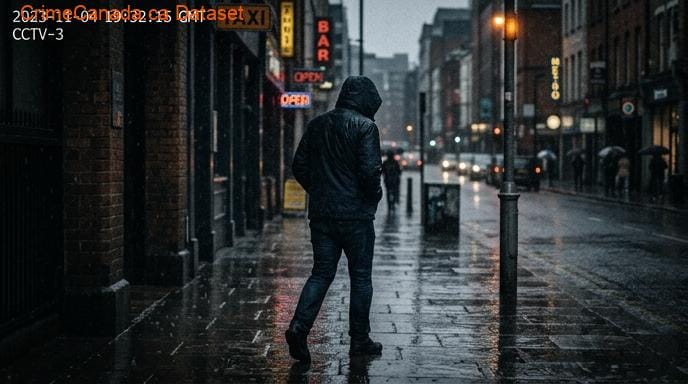
Vaughan Synagogue Assault Prompts Hate-Crime Probe and Security Concerns
1. What Happened: Safety Snapshot & Current Status
On Saturday morning, an unknown man reportedly tried to force his way into a synagogue in Vaughan, Ontario, and assaulted a person on site before fleeing. The incident took place just after 9:30 a.m. at the Vaughan Sephardic Kehila Centre, located at 7026 Bathurst Street near the Bathurst Street and Steeles Avenue area, a busy corridor on the Vaughan–Toronto boundary.
York Regional Police are investigating the incident as a suspected hate-motivated crime. Officers indicated that one victim was assaulted, but no physical injuries were reported. As of the latest open-source checks conducted the evening of April 25, 2026, no arrest, suspect identification, or updated suspect description has been released publicly, and no additional official statements were located beyond the original news report.
Police are seeking the public’s assistance to identify the man involved. Anyone with information, dashcam, or security footage from the area around 9:00–10:00 a.m. is encouraged to contact York Regional Police or Crime Stoppers.
2. Community Context & Social Sentiment
The location of the incident, near Bathurst and Steeles, is part of a long-established Jewish community hub with multiple synagogues, community centres, and businesses. While the broader crime profile of Vaughan generally reflects a relatively moderate rate of reported violent incidents compared to some higher-crime pockets in the Greater Toronto Area, any suspected hate-motivated assault at a place of worship is viewed as particularly alarming by residents.
Online reaction has been swift, with many community members expressing fear and frustration about safety in and around synagogues. One social media user described the event as “terrifying—right in our backyard at a synagogue during services,” reflecting anxiety about religious gatherings being targeted. Another commenter echoed the concern, calling the assault “deeply disturbing” and urging police to act quickly before similar incidents escalate.
Local leadership has also weighed in. Vaughan’s mayor publicly condemned the incident and highlighted growing worry over antisemitism and hostility directed at Jewish residents. The tone of public discussion emphasizes both solidarity with the congregation involved and a strong demand for visible security measures around religious institutions.
Residents in the Bathurst–Steeles area are reporting a heightened sense of vigilance. Common concerns include:
- Security presence and access control at synagogues and community centres.
- Whether the suspect could return or target other locations.
- How quickly potential hate-motivated incidents are being identified and addressed by law enforcement.
Community safety strategies being discussed online include increased use of camera systems, volunteer security teams during services, and closer coordination with police for rapid response and safety planning.
3. How This Fits Into Wider Crime and Hate-Crime Trends
While this incident is still under active investigation, it aligns with broader national data showing a sharp rise in reported hate crimes targeting Jewish communities. According to the latest publicly available figures from Statistics Canada, police-reported hate crimes against Jewish people in Canada increased by approximately 71% between 2022 and 2023, reaching about 900 incidents nationwide. This makes Jewish communities one of the most frequently targeted groups in reported hate-motivated offences across the country.
Region-specific statistics for hate crimes in Vaughan and York Region are not fully detailed in the open sources reviewed, but the wider Greater Toronto Area has seen significant public concern about hate incidents at religious and cultural institutions. Citywide crime summaries for Toronto indicate that assaults remain the most common major violent offence, making up more than half of all major crime incidents in recent data. At the same time, some broad indicators—such as homicide and shooting counts—have shown declines in the latest year-over-year comparisons.
Crime analyses of the Toronto region note that the highest concentrations of major crimes are typically found in certain neighbourhoods that experience elevated rates of assaults, robberies, and property offences. The Bathurst–Steeles corridor, by contrast, has not been consistently classified among the city’s highest-crime zones. However, hate-motivated incidents often do not follow the same geographic patterns as general crime and can occur in otherwise lower-crime, residential communities.
For residents and institutions in Vaughan, this incident underscores that aggregate crime rates do not always capture the impact of a single targeted event on feelings of safety and community trust. Even when an area’s overall crime index is comparatively moderate, a suspected hate-motivated assault at a synagogue can significantly heighten anxiety and prompt calls for more robust security planning. Reviewing local safety trends and data resources, such as Vaughan’s dedicated crime statistics and safety indicators, can help residents and community leaders better understand baseline risk while advocating for measures tailored to the specific vulnerabilities of faith-based and minority communities.
In practical terms, this incident may lead to:
- Temporary or long-term increases in police presence around synagogues in the Bathurst–Steeles area.
- Updated access-control policies (e.g., locked doors, intercom entry, visible security) during services and events.
- Expanded collaboration between religious institutions, community safety groups, and law enforcement to track and respond to hate incidents quickly.
Until a suspect is identified and more details are released, residents are encouraged to report suspicious behaviour around places of worship, document any threatening messages or vandalism, and use available local data resources to stay informed about crime patterns in their neighbourhood.
About This Report
This safety alert was generated by aggregating data from local authorities, community reports, and open-source intelligence. Our mission at Crime Canada is to provide citizens with localized safety data and context. We are not the original creators of the underlying news reports.
Primary Source: Information in this report was initially covered by Denio Lourenco for CityNews.
Additional Research & Context
- National hate-crime trends, including the 71% rise in reported hate crimes targeting Jewish people between 2022 and 2023, are documented in Statistics Canada’s latest hate crime data release.
- Recent analyses of Toronto crime statistics provide context on major crime types, including assaults, and how local crime severity compares to the national average.
- Additional commentary on Toronto’s 2025 crime rate trends outlines which neighbourhoods experience the highest volumes of major crimes, helping frame how Vaughan and the Bathurst–Steeles area fit into the broader regional picture.