
Table of Contents
Auto theft in Canada has exploded into a national crisis. What started as opportunistic crime has evolved into sophisticated operations run by organized criminal networks, with stolen vehicles shipped overseas within hours. The numbers paint a grim picture: auto theft claims have surged over 50% in some regions, costing Canadians hundreds of millions in insurance premiums and leaving thousands stranded without transportation.
This goes beyond statistics—families lose their primary way to get around, businesses face crushing insurance costs, and entire communities feel less secure. From Toronto’s underground parking garages to Vancouver’s quiet residential streets, nowhere seems safe from this growing threat.
The Scale of Canada’s Auto Theft Crisis
Auto theft has reached unprecedented levels across Canada in 2024. The Insurance Bureau of Canada reports auto theft claims jumped 48.5% nationally compared to 2023, with some provinces seeing even steeper increases. Each statistic represents a Canadian whose daily life got turned upside down by crime.
What makes this crisis particularly alarming is how fast and sophisticated modern theft operations have become. Thieves no longer need to hotwire vehicles or smash windows. Today’s criminals use advanced technology like signal amplifiers to steal keyless entry vehicles in under two minutes, often while owners sleep inside their homes.

The financial damage extends far beyond losing the vehicle itself. Insurance companies paid out over $1.5 billion in auto theft claims in 2024 alone—costs that get passed to all Canadian drivers through higher premiums. The average auto theft claim now exceeds $47,000, reflecting both the higher value of modern vehicles and the additional costs of recovery and repair.
Ranking Canadian Cities by Auto Theft Rates
Ontario: The Epicenter of Auto Theft
Toronto leads the nation with over 12,000 reported vehicle thefts in 2024. The Greater Toronto Area accounts for nearly 40% of all auto thefts in Canada, making it ground zero for this crisis. Toronto’s theft rate hit 8.7 vehicles stolen per 1,000 residents—more than double the national average.
Mississauga and Brampton aren’t far behind, with theft rates of 7.2 and 6.8 per 1,000 residents. These suburban communities became prime targets due to their concentration of luxury vehicles and proximity to major shipping routes.
Hamilton and Ottawa round out Ontario’s most affected cities, each reporting theft rates above 5.0 per 1,000 residents. The pattern across Ontario shows that proximity to major ports and transportation hubs dramatically increases theft risk.
Quebec: Montreal’s Growing Problem
Montreal saw auto thefts spike 35% in 2024, reaching 4.8 vehicles stolen per 1,000 residents. The city’s port access makes it attractive to criminal organizations shipping stolen vehicles overseas. Laval and Longueuil also experienced significant increases, with rates of 3.9 and 3.7 per 1,000 residents.
Western Canada: Emerging Hotspots
Calgary emerged as a surprising hotspot, with auto theft rates jumping 42% to reach 4.1 per 1,000 residents. The city’s rapid growth and increasing luxury vehicle ownership made it an attractive target for organized theft rings.
Edmonton follows at 3.8 per 1,000 residents, while Vancouver maintains a relatively lower rate of 2.9 per 1,000 residents—still representing a 28% increase from 2023.
Winnipeg continues struggling with auto theft, maintaining a rate of 5.2 per 1,000 residents, one of the highest per-capita rates in the country despite its smaller size.
Atlantic Canada: Lower Rates but Growing Concerns
Atlantic provinces traditionally maintained lower auto theft rates, but 2024 brought concerning increases. Halifax reports 2.1 thefts per 1,000 residents, up 31% from the previous year. Saint John and Charlottetown also saw increases, though they remain below the national average.
Most Targeted Vehicle Makes and Models
The data reveals clear patterns in which vehicles criminals prefer. Luxury SUVs and pickup trucks dominate the most-stolen list, reflecting both their high resale value and strong demand in overseas markets.
Top 10 Most Stolen Vehicles in Canada (2024)
- Lexus RX Series – Particularly RX350 and RX450h models
- Toyota Highlander – All model years from 2018 onwards
- Honda CR-V – 2019-2024 models with push-button start
- Acura RDX – Especially newer generations with advanced keyless systems
- Toyota RAV4 – Consistently high theft numbers across recent model years
- Land Rover Range Rover – All variants, with Evoque particularly targeted
- Ford F-150 – Crew cab models with advanced trim packages
- Jeep Grand Cherokee – 2019 and newer models
- BMW X5 – All recent model years
- Mercedes-Benz GLE-Class – High-end variants most commonly stolen
These vehicles share key characteristics that attract thieves: keyless entry systems that can be exploited, strong resale values both domestically and internationally, and high demand in overseas markets where many stolen Canadian vehicles end up.
The Technology Behind Modern Auto Theft
Modern auto theft has evolved far beyond breaking windows or hotwiring ignitions. Understanding current methods helps explain the dramatic increase in theft rates.
Relay Attacks on Keyless Entry Systems
The most common theft method exploits keyless entry and push-button start systems. Criminals use signal amplifiers to capture and relay signals from vehicle key fobs, even when they’re inside the owner’s home. This relay attack lets thieves unlock and start vehicles without ever touching the actual key.
The process is disturbingly simple and fast. One thief positions near the vehicle with a signal amplifier, while an accomplice stands near the house with another device capturing the key fob’s signal. The signal gets relayed to the first device, tricking the car into thinking the key is present.
Reprogramming and Cloning
More sophisticated operations involve reprogramming vehicle computers or cloning key fobs. Criminal organizations access the same diagnostic tools used by legitimate automotive technicians, letting them create new keys for stolen vehicles or disable anti-theft systems entirely.
Some groups developed mobile reprogramming units—essentially workshops on wheels that can completely alter a vehicle’s identity within hours of theft. These operations change VIN numbers, reprogram electronic systems, and create fraudulent documentation.
The Port Connection
Stolen vehicles leave Canada faster than ever. Many high-end stolen vehicles sit in shipping containers bound for overseas markets within 24-48 hours of being taken. The Port of Montreal and Port of Toronto became particular focus points for law enforcement, handling the majority of container shipments leaving Eastern Canada.
Criminal organizations developed logistics networks that rival legitimate businesses in efficiency. Stolen vehicles often get stored in warehouses near ports, where they’re quickly processed for shipment. Some operations are so organized they take orders for specific makes, models, and colors before thefts even occur.
Regional Variations and Contributing Factors
Auto theft distribution across Canada isn’t random—specific factors make certain regions more vulnerable.
Urban Density and Target Availability
Cities with high concentrations of luxury vehicles naturally see higher theft rates. The Greater Toronto Area’s combination of affluent suburbs and proximity to major shipping infrastructure creates an ideal environment for auto theft operations. Similarly, Calgary’s oil-driven economy led to high luxury vehicle ownership, making it an increasingly attractive target.
Port Access and Transportation Networks
Cities with major ports or those along key transportation corridors experience higher theft rates. Montreal’s position as a major shipping hub to Europe and Africa makes it a natural choice for criminal organizations. The 401 corridor in Ontario serves as a pipeline for moving stolen vehicles between Toronto and Montreal.
Law Enforcement Resources
Regional differences in law enforcement capabilities and priorities also impact theft rates. Some police forces developed specialized auto theft units with dedicated resources, while others treat vehicle theft as lower priority compared to violent crimes.
The RCMP’s Project VECTOR, launched in 2024, represents a coordinated federal response to auto theft, but implementation varies significantly across provinces. Ontario and Quebec received the most resources, while smaller provinces continue struggling with limited investigative capabilities.
Insurance and Recovery Challenges
Modern vehicle complexity has made recovery more difficult and expensive. Even when stolen vehicles are recovered, they often require extensive repairs to electronic systems damaged during theft or attempted resale preparation. This led to higher total loss rates, with insurance companies writing off vehicles that might have been repairable in the past.
Prevention Strategies That Actually Work
Despite the sophistication of auto theft operations, proven strategies significantly reduce theft risk.
Physical Security Measures
Steering wheel locks remain one of the most effective deterrents, despite seeming old-fashioned. The Club and similar devices create visible deterrents and add time to the theft process that most criminals prefer to avoid.
Faraday pouches for key fobs block radio signals that enable relay attacks. These signal-blocking pouches should be used whenever keys are stored at home, particularly if vehicles are parked in driveways or attached garages.
Secondary immobilizers add extra security beyond factory systems. Professional installation of hidden kill switches or additional immobilizer systems can prevent theft even if criminals bypass original security systems.
Parking and Storage Strategies
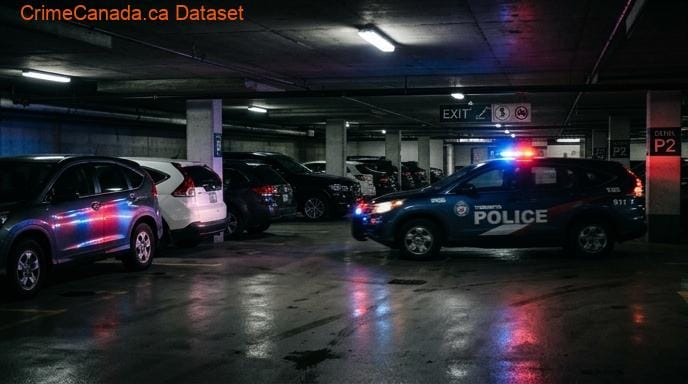
Where you park matters significantly. Underground parking garages in residential buildings became prime hunting grounds for thieves, providing cover and reduced visibility. When possible, park in well-lit areas with security cameras and regular foot traffic.
Garage parking at home provides the best protection, but only if key fobs are stored away from the garage door. Many successful thefts occur when keys are left on kitchen counters or in entryways adjacent to attached garages.
Technology Solutions
GPS tracking devices won’t prevent theft but dramatically improve recovery chances. Modern tracking systems can alert owners immediately when vehicles are moved and provide real-time location data to police. Some systems include features allowing remote engine shutdown once theft is confirmed.
Dash cameras with parking mode can capture theft attempts and provide valuable evidence for police investigations. Some advanced systems include smartphone alerts when motion is detected around parked vehicles.
Smart security systems that integrate with home automation can provide layered protection. Systems monitoring both vehicle and key fob locations can alert homeowners to potential relay attacks in progress.
The Role of Organized Crime
Auto theft in Canada is no longer primarily opportunistic crime—it’s become a sophisticated business run by organized criminal networks with international connections.
International Networks
Canadian law enforcement identified connections between domestic auto theft rings and criminal organizations in West Africa, Eastern Europe, and the Middle East. These networks provide overseas demand that drives the Canadian theft market, with some stolen vehicles commanding prices 2-3 times their Canadian market value in destination countries.
The sophistication of these operations rivals legitimate businesses. Criminal organizations maintain inventories of demanded vehicles, coordinate theft timing with shipping schedules, and developed supply chains that move vehicles from Canadian driveways to overseas buyers in less than a week.
Money Laundering Connections
Auto theft has become integrated with broader money laundering operations. Stolen vehicles serve as both products and currency in criminal enterprises, with some organizations using auto theft proceeds to fund drug trafficking, human trafficking, and other criminal activities.
The cash-intensive nature of auto theft makes it attractive for money laundering purposes. Criminal organizations can convert stolen vehicles into cash quickly, then use traditional money laundering techniques to integrate proceeds into the legitimate economy.
Violence and Escalation
While most auto thefts in Canada remain non-violent, there’s growing concern about escalation. Home invasions specifically targeting vehicle keys have increased, and some criminal organizations showed willingness to use violence when confronted by vehicle owners.
This escalation prompted law enforcement to advise Canadians never to confront auto thieves directly. The financial loss of a vehicle, while significant, isn’t worth the personal safety risks associated with confronting organized criminals.
Insurance Industry Response and Impact
The auto theft crisis forced significant changes in how insurance companies operate in Canada.
Premium Adjustments
Insurance companies implemented region-specific premium adjustments reflecting local theft risks. Drivers in high-theft areas like the GTA now pay substantially more for comprehensive coverage, with some seeing increases of 25-40% in their premiums.
These increases affect all drivers in high-risk areas, not just those who experienced theft. The collective impact of theft claims gets distributed across the entire customer base in affected regions.
Coverage Limitations
Some insurers introduced new limitations on theft coverage, particularly for high-risk vehicle models. Certain luxury vehicles now require additional security measures as a condition of coverage, including professional installation of tracking devices or immobilizer systems.
Deductible increases for theft claims became common, with some insurers requiring higher deductibles specifically for comprehensive claims in high-theft postal codes.
Recovery and Replacement Challenges
Time required to process theft claims increased significantly due to case volume and modern vehicle replacement complexity. Supply chain issues affecting new vehicle availability extended replacement times, leaving some theft victims without vehicles for months.
Rental car coverage became more important as replacement times extend. Many Canadians discovered their coverage limits are insufficient for extended rental periods required during the claims process.
Law Enforcement Response and Challenges
Canadian law enforcement agencies implemented various strategies to combat the auto theft epidemic, but face significant challenges addressing the scope and sophistication of modern theft operations.
Specialized Units and Task Forces
The RCMP’s Project VECTOR represents the most significant federal response to auto theft, coordinating efforts between federal, provincial, and municipal law enforcement agencies. The project focuses on disrupting organized theft rings rather than just recovering individual stolen vehicles.
Provincial and municipal police forces established specialized auto theft units with dedicated investigators and resources. Toronto Police Service’s Auto Theft Unit expanded significantly in 2024, but still struggles to keep pace with case volume.
Technology and Investigation Tools
Law enforcement invested in advanced investigation technologies, including automated license plate recognition systems and enhanced surveillance capabilities at key transportation hubs. However, criminals proved adept at adapting to these countermeasures.
Port security was enhanced with additional screening procedures for outbound containers, but the volume of legitimate trade makes comprehensive inspection challenging. Some stolen vehicles are discovered weeks or months after shipment, when they’ve already reached overseas destinations.
International Cooperation
Combating auto theft requires international cooperation, as many stolen vehicles cross borders within days of being stolen. Canadian law enforcement strengthened relationships with agencies in destination countries, but legal and logistical challenges limit the effectiveness of international recovery efforts.
Extradition and prosecution of international criminal organization members remains challenging, particularly when theft operations span multiple countries with different legal systems.
Looking Ahead: Trends and Predictions
The auto theft landscape in Canada continues evolving rapidly, with several trends likely to shape the situation in coming years.
Technological Arms Race
As vehicle manufacturers implement more sophisticated anti-theft technologies, criminal organizations invest in countermeasures. This technological arms race shows no signs of slowing, with each advancement in vehicle security met by corresponding developments in theft techniques.
Biometric security systems and advanced encryption may provide better protection, but criminals historically proved capable of adapting to new security measures within months of their introduction.
Regulatory Response
Government action at federal and provincial levels may reshape the auto theft landscape. Proposed regulations on key fob signal strength, mandatory immobilizer systems, and enhanced penalties for auto theft could impact future theft rates.
Port security regulations may become more stringent, potentially disrupting the overseas shipment networks that drive much of the current theft market.
Economic Factors
Economic conditions both in Canada and internationally influence auto theft patterns. Recession or economic instability in destination countries could reduce demand for stolen vehicles, while economic pressures in Canada might drive more individuals toward criminal activity.
Ongoing global supply chain issues affecting new vehicle availability increased the value of used vehicles, making theft more profitable and potentially driving continued high theft rates.
Conclusion
Canada’s auto theft crisis represents one of the most significant property crime challenges the country has faced in decades. With theft rates reaching record levels across major cities and criminal organizations operating with unprecedented sophistication, the impact extends far beyond individual victims to affect insurance costs, community safety, and economic stability.
The data clearly shows no region is immune, though urban centers with port access face the highest risks. Toronto, Montreal, and Calgary lead in absolute numbers, while cities like Winnipeg show that even smaller centers can experience disproportionately high per-capita theft rates.
Understanding modern auto theft reality—from the technology criminals use to the international networks they operate within—is crucial for both individual protection and broader policy responses. While the challenge is significant, a combination of improved security practices, enhanced law enforcement coordination, and potential regulatory changes offers hope for reducing theft rates.
For Canadian vehicle owners, the message is clear: proactive security measures, informed parking decisions, and appropriate insurance coverage are no longer optional in high-risk areas. The cost of prevention is invariably lower than the disruption and financial impact of becoming a theft victim.
Stay informed about auto theft trends and security recommendations in your area. Learn more at crimecanada.ca for the latest crime statistics, safety alerts, and community safety information across Canada.

