
Table of Contents
Alberta RCMP Road Safety Alert: Whiteout Conditions in Eastern Alberta
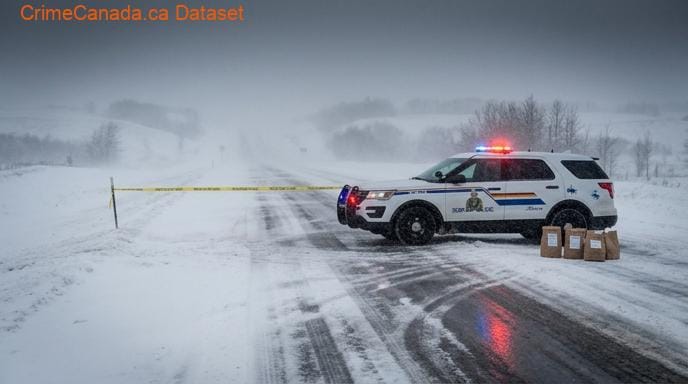
On May 4, 2026, the Alberta RCMP issued an urgent warning to motorists regarding extremely hazardous winter driving conditions across large parts of eastern Alberta. Heavy snowfall combined with strong winds is producing whiteout conditions, contributing to multiple collisions and a series of road closures, particularly in the Wood Buffalo Region and routes serving Fort McMurray.
Police are advising the public to avoid non-essential travel on affected routes, as emergency services are managing a high volume of incidents involving stranded vehicles and crashes. Those who must travel are being urged to prepare for delays, significantly reduced visibility, and icy, treacherous roads, and to stay with their vehicle if they become stuck.
Official RCMP Details
The Alberta RCMP report that multiple highways and secondary roads in eastern Alberta are experiencing:
- Heavy, accumulating snowfall
- Strong winds and blowing snow
- Whiteout and severely reduced visibility in several areas
- Icy, slippery surfaces and overall dangerous driving conditions
- Multiple reported collisions and stranded motorists
As of this alert, the following road closures and travel disruptions are in effect in the Wood Buffalo Region:

- Highway 63: Northbound from Wandering River to Fort McMurray – hazardous road conditions reported and travel strongly discouraged.
- Highway 63: Both northbound and southbound lanes between south of Marianna Lake and Fort McMurray – hazardous conditions affecting traffic in both directions.
- Highway 881: Northbound and southbound lanes north of Imperial Mills – collision reported with ongoing disruption to traffic.
Due to the volume of incidents and the extent of the storm-impacted area, emergency response times may be longer than usual. RCMP officers, emergency medical services, tow operators, snowplows, and sanding trucks are active on these corridors, further adding to congestion and the need for drivers to reduce speed and increase caution if they must be on the road.
The RCMP state they do not recommend any travel in the affected areas until conditions improve. For the most current highway status, detours, and closure information, motorists should consult Alberta 511 before considering travel.
If you are in immediate danger or require urgent assistance, call 9-1-1 without delay.
How Motorists Should Prepare and Respond
For those who are already on the road or who cannot delay travel, RCMP and safety officials stress the importance of being properly prepared:
- Keep an emergency kit in your vehicle, including blankets, warm clothing, non-perishable food, water, a flashlight, and a fully charged phone or power bank.
- Maintain at least half a tank of fuel during winter storms to prevent fuel line freeze-up and to allow for extended idling if you become stranded.
- If your vehicle becomes stuck or disabled, stay with your vehicle; it offers shelter and makes it easier for responders to locate you.
- Turn on hazard lights and, where safe to do so, use reflective markers or interior lights to increase your visibility to other motorists and emergency crews.
- Postpone all non-essential trips until Alberta 511 and local authorities confirm improved road and weather conditions.
For a provincial view of safety trends that often intersect with severe-weather incidents, see our analysis of crime statistics in Alberta, which helps contextualize risk and emergency service demands across the region.
CrimeCanada.ca Safety Perspective
From the perspective of CrimeCanada.ca, major weather-related highway disruptions like this are critical community safety events, particularly in vast regions of eastern Alberta where long travel distances and limited services can quickly turn a breakdown into a life-threatening emergency. Collisions and stranded vehicles during whiteout conditions put not only drivers at risk, but also first responders, tow operators, and road maintenance crews working on the front lines.
We encourage residents and travellers to treat severe weather alerts with the same seriousness as other public safety advisories. Planning ahead, delaying discretionary travel, and equipping vehicles with proper emergency gear can significantly reduce harm. For communities and rural areas across the province, including places like Elk Point and surrounding eastern Alberta regions, staying informed about both road conditions and broader safety trends strengthens community resilience when storms hit.
Official Source & Community Safety
This safety alert is based on an official release from the Royal Canadian Mounted Police (RCMP). CrimeCanada.ca aggregates and analyzes this data to keep the alberta community informed, aware, and safe. We are an independent safety data aggregator and not the original creators of the underlying incident report.
Read the full official release here: RCMP Official Statement.

