
Table of Contents
Major CFSEU-BC Drug and Weapons Seizure Prompts Community Safety Questions in Metro Vancouver
1. What Happened: Key Facts for Residents
A multi-year organized crime investigation led by the Combined Forces Special Enforcement Unit of British Columbia (CFSEU-BC) has resulted in a substantial seizure of illicit drugs, firearms, vehicles, and approximately $1.5 million in cash across the Lower Mainland.
According to CFSEU-BC, the project began in early 2024 and continued into the spring of 2026, targeting individuals believed to be involved in interprovincial drug trafficking and assessed as posing a significant risk to public safety. On May 3, 2026, officers arrested a commercial truck driver during a suspected drug exchange at the Sunshine Hills Shopping Plaza in Delta, B.C. Investigators say they seized roughly 10 kilograms of cocaine and about $500,000 in cash at the time of that arrest.
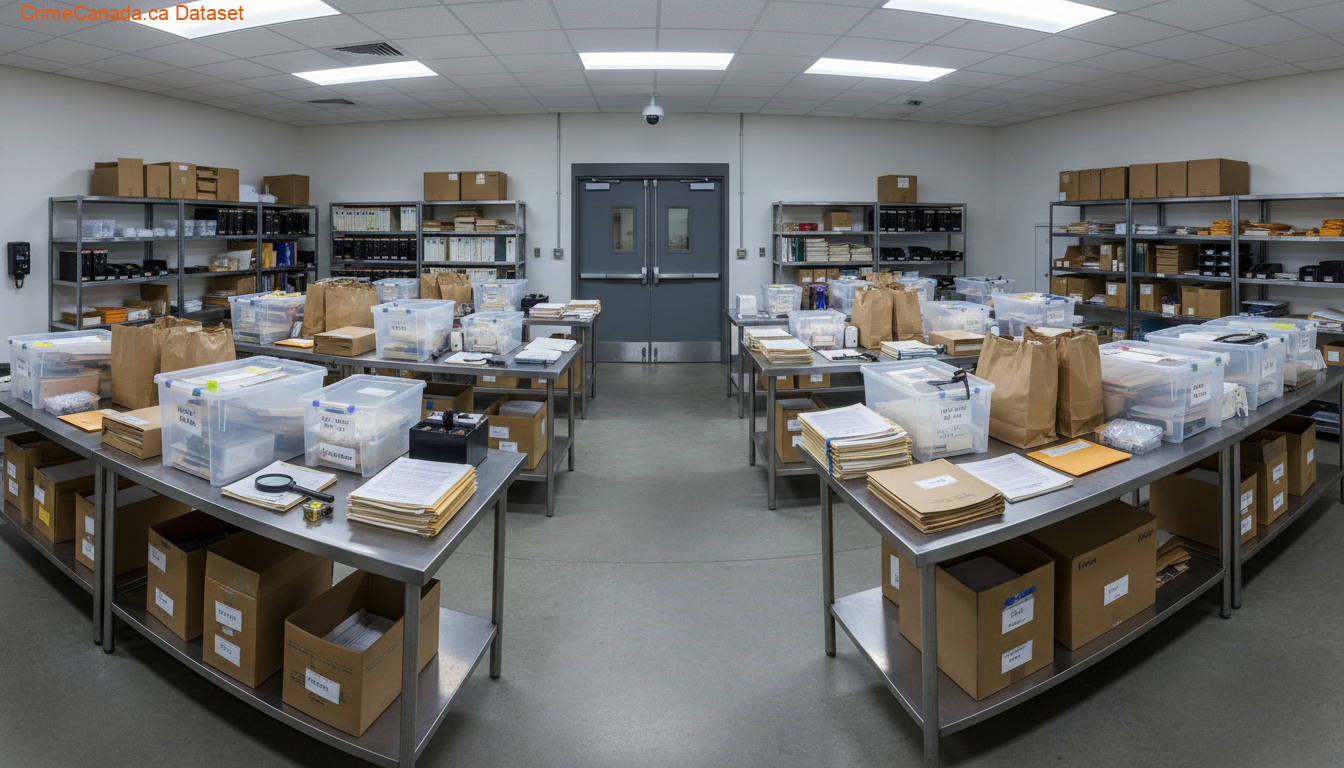
The arrest triggered coordinated search warrants at five locations across Metro Vancouver, including residences in Vancouver and Surrey, a luxury condominium in downtown Vancouver, and a self-storage facility in Vancouver. From those locations, CFSEU-BC reports seizing:
- About $1.5 million in cash in total
- 26 kilograms of cocaine
- 7 kilograms of methamphetamine
- Approximately 250 kilograms of cocaine cutting agents, including phenacetin and benzocaine
- Five vehicles, three of which had hidden compartments, and a commercial trailer
- 12 long guns and 4 handguns, including one handgun fitted with a prohibited suppressor
As of the latest public updates from CFSEU-BC, no suspect names, specific criminal charges, or court dates related to this particular project have been released. This suggests that either charges are still being finalized or investigators remain selective about publicly identifying those believed to be involved.

2. Community Context & Social Sentiment
The arrest location at Sunshine Hills Shopping Plaza sits in a largely residential part of Delta, just off major highway corridors connecting to Surrey, Vancouver, and regional ports. Public data typically portrays Delta as having lower levels of violent crime than neighbouring cities such as Vancouver or Surrey, with most concerns centring on property crime and traffic-related issues. Sunshine Hills itself is not usually highlighted as a persistent crime hotspot, which is partly why this arrest has drawn attention: it underscores how organized traffickers may use otherwise quiet commercial areas and accessible parking lots as discreet meeting points close to major routes.
Across social media platforms like Reddit and X, public reaction to this seizure is mixed. Many users express relief that guns, cash, and hard drugs have been removed from circulation, but there is also a strong tone of scepticism about long-term impact. Some comments characterize the operation as a necessary disruption but “a drop in the bucket” within a much larger drug market. Others argue that, without major investments in treatment, recovery services, and housing, enforcement operations alone cannot significantly reduce overdoses or addiction-related harms.
One commonly echoed viewpoint: people welcome the fact that firearms and large quantities of cocaine and meth were intercepted, yet they question whether this will meaningfully change street-level supply when other organized groups may quickly move in to fill the gap.
There is also frustration around the apparent absence of named “kingpins” or public details on charges. Some community members say they want to see more transparency about who is being held accountable and how courts respond to high-level trafficking investigations.
Residents in other British Columbia communities face similar questions about organized crime and drug-related harms. For example, regional crime data from areas like Fraser Valley F can help illustrate how trafficking routes, rural properties, and smaller communities may all be tied into broader networks centred on the Lower Mainland, even when local violent crime rates appear comparatively low.
3. How This Fits Into Broader Crime and Drug Trends
The CFSEU-BC investigation in the Lower Mainland is not an isolated case, but part of an ongoing pattern of large-scale enforcement actions targeting organized drug networks across the province. Recent CFSEU-BC summaries point to a sustained tempo of operations involving:
- Traffic-stop seizures along major routes in and out of Metro Vancouver
- Searches of residential “stash houses,” self-storage facilities, and commercial vehicles
- Disruptions of regional dial-a-dope lines and gang-linked trafficking operations
In one 2025–2026 case, for example, three young adults were charged after searches in Surrey and Vancouver turned up cocaine, methamphetamine, fentanyl, and ammunition. Other files have targeted clandestine labs and firearms caches in communities outside the core metro area. These investigations reinforce a consistent theme in CFSEU-BC communications: the illegal drug trade is tightly tied to firearms, intimidation, and violence, and is a key driver of gang-related shootings and public-safety incidents.
At the same time, provincial health and coroner data continue to show historically high numbers of toxic drug deaths, with synthetic opioids—particularly fentanyl—dominant in fatal overdoses. While the Lower Mainland case described here focuses on cocaine, methamphetamine, and cutting agents, CFSEU-BC and public health officials often stress that organized crime networks are interconnected. The profits and distribution channels used for one class of drugs can reinforce the overall illegal supply chain that contributes to the ongoing toxic drug crisis.
For residents trying to understand what this means in day-to-day terms, it can help to separate two related but distinct issues:
- Organized crime and community safety: Large seizures of cash, guns, and high-value drugs indicate the presence of criminal groups capable of moving significant quantities of product across provincial or national borders. This raises concerns about associated risks such as retaliation, enforcement violence, or weapons circulation, even in neighbourhoods that otherwise feel relatively safe.
- Public health and addiction: Enforcement operations may temporarily reduce supply or disrupt certain networks, but they do not directly address demand, addiction treatment gaps, or the toxic composition of the street supply.
Crime and safety patterns vary widely across B.C. communities. Comparing local data from places like Fishtrap 19 or Tsa Xana 18 with Lower Mainland trends can highlight how some areas see relatively low reported crime yet still experience spillover impacts from regional trafficking—such as overdoses, secondary markets, or property crime linked to substance dependence.
Overall, the CFSEU-BC operation underscores that Metro Vancouver remains a central hub for organized drug trafficking in British Columbia. For residents, the key safety takeaways include heightened awareness of how seemingly routine spaces (parking lots, storage facilities, highway-adjacent plazas) can be used by traffickers, and an understanding that large seizures, while significant, form just one pillar of a broader response that also depends on courts, health policy, and community supports.
About This Report
This safety alert was generated by aggregating data from local authorities, community reports, and open-source intelligence. Our mission at Crime Canada is to provide citizens with localized safety data and context. We are not the original creators of the underlying news reports.
Primary Source: Information in this report was initially covered by Emma Crawford for CityNews Vancouver.
Additional Research & Context
- CFSEU-BC’s official media release on the Lower Mainland drug trafficking investigation and resulting seizures of drugs, cash, and firearms provides detailed operational timelines and totals: https://cfseu.bc.ca
- Previous coverage of CFSEU-BC anti-gang projects in Surrey, Langley, and Burnaby by regional news outlets helps illustrate how traffic-stop operations and stash house searches are used to target organized crime in Metro Vancouver.
- Social media posts from CFSEU-BC’s X (Twitter) and Facebook accounts offer additional insight into enforcement priorities, including regular updates on significant seizures and gang-suppression initiatives across British Columbia.