AlertsBattlefords, SKMissing
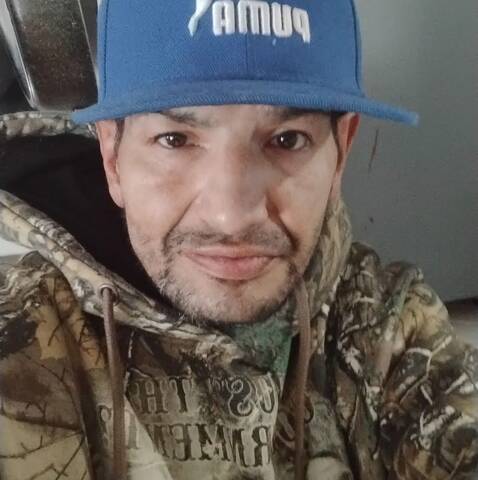
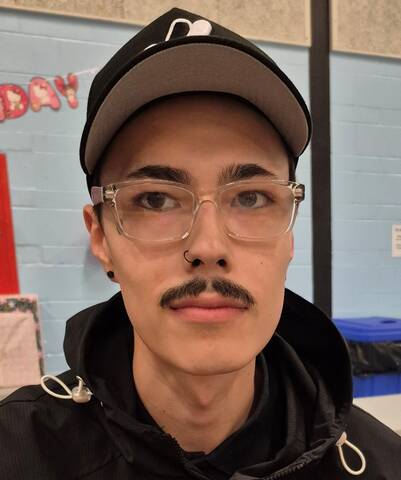
Missing in Battlefords: RCMP Seek Delaney Wolfe, 24, Last Heard From Oct. 26
Battlefords RCMP are asking for the public's help to find Delaney Wolfe, 24, who was reported missing on October 26, 2026.
 Crime Canada
Police appeals
Explore the data
Rankings and reports
A plain-language guide to a refusal to blow charge in Saskatchewan: what the Crown must prove, court steps, mandatory penalties, SGI suspensions, defences and where to get help.
Crime Canada newsroomPublished
Refusing a breathalyzer, often called refusal to blow, is a criminal offence under section 320.15 of the Criminal Code. It is part of the impaired driving rules in Part VIII.1 of the Code, which came into force in December 2018. Being charged does not mean you are guilty. You are presumed innocent unless the Crown proves the charge beyond a reasonable doubt.
The offence is not limited to breath. It also covers refusing or failing to comply with a demand for an oral fluid (saliva) sample, physical coordination (roadside sobriety) tests, a drug recognition evaluation, or a blood sample. It applies to any conveyance, including cars, trucks, boats, snowmobiles and off-road vehicles.
To get a conviction, the Crown (the prosecutor who brings the case for the government) must generally prove that:
Charged or under investigation? Get a free consultation →
Refusal is a hybrid offence. The Crown chooses whether to proceed by summary conviction (the less serious route) or by indictment (the more serious route). If you knew or ought to have known you were in a collision that caused bodily harm or death, the Crown can lay a more serious refusal charge with much higher penalties. For a national overview, see our guide to failure or refusal to comply with a demand.
Most people charged with refusal are released by police the same day. You may be given an appearance notice or an undertaking, which is a written promise to attend court and, sometimes, follow conditions. If police do not release you, you will be brought before a justice for a bail hearing, who may release you on a release order with conditions.
Conditions can include not driving, not consuming alcohol, or reporting to someone. Breaking a condition is a separate criminal offence, so read your paperwork carefully and keep a copy.
In Saskatchewan, police generally lay the charge. A Crown prosecutor with Saskatchewan Public Prosecutions then reviews the file and decides whether to continue, change or withdraw the charge.
Your first appearance will usually be in the Provincial Court of Saskatchewan, including in Regina and Saskatoon. You do not enter a plea at the first appearance in most cases. It is mainly about getting disclosure and arranging next steps. A lawyer or agent can often appear for you on summary matters, but check with a lawyer before assuming you do not need to attend.
Disclosure is the Crown's evidence: police notes, video from the cruiser or station, records about the screening device or breath instrument, and witness statements. You have a constitutional right to it. In refusal cases, video and the exact words of the demand are often central.
The Crown decides whether to proceed summarily or by indictment. Most first-time refusal cases proceed summarily in Provincial Court. If the Crown proceeds by indictment, you can usually choose to be tried by a Provincial Court judge, a judge of the Court of King's Bench, or a judge and jury.
After reviewing disclosure, your lawyer may discuss the case with the Crown. The charge may be withdrawn, resolved by a plea to the same or a different charge, or go to trial. What you decide is up to you, with your lawyer's advice.
Cases often take several months to a year or more. Under the Supreme Court of Canada's Jordan decision, a case in Provincial Court should generally be completed within 18 months of the charge, and a case in superior court within 30 months, not counting delay caused by the defence.
Refusal carries mandatory minimum penalties, and these were not changed by Bill C-5 in 2022. A first-offence refusal has a higher minimum fine than a first impaired driving conviction at a lower blood alcohol level.
| Penalty | Summary conviction | Indictment |
|---|---|---|
| Maximum jail | 2 years less a day | 10 years |
| First offence minimum | $2,000 fine | $2,000 fine |
| Second offence minimum | 30 days jail | 30 days jail |
| Third or later offence minimum | 120 days jail | 120 days jail |
| Mandatory driving prohibition | First: 1 to 3 years. Second: 2 to 10 years. Third or later: at least 3 years. Plus any jail time. | |
| Refusal where collision caused bodily harm | 2 years less a day | 14 years |
| Refusal where collision caused death | Not available | Life |
For the higher repeat-offence minimums to apply, the Crown must give you notice before plea that it will seek a greater punishment.
Factors that matter include prior impaired driving history, whether there was a collision or injury, the driving behaviour, how you acted with police, and whether a child was in the vehicle.
Separate from the criminal case, SGI can impose administrative licence suspensions and vehicle impoundment after a refusal. These are not criminal penalties. They can start right away, before any court date, and they may apply even if the charge is later withdrawn or you are acquitted. Ask SGI and your lawyer exactly what applies to you, including any program requirements to get your licence back. A conviction may also affect your driving record and insurance costs.
A conviction creates a criminal record. You can apply to the Parole Board of Canada for a record suspension (formerly a pardon) after completing your whole sentence and waiting 5 years for a summary conviction or 10 years for an indictable one.
US border officers have broad discretion. A single impaired driving-type conviction may not automatically bar entry, but it can lead to questions or refusal, especially with more than one conviction. The US does not recognize Canadian record suspensions.
If you are not a Canadian citizen, this matters a great deal. Because refusal carries a maximum of 10 years, it is treated as serious criminality under federal immigration law. A conviction can lead to loss of permanent resident status or removal. Speak to an immigration lawyer as well as a criminal lawyer before making any decision in your case.
A driving prohibition can end jobs that require driving, such as trucking, farm work, sales or trades. Some employers and professional bodies also run criminal record checks.
Every case depends on its facts. A lawyer will usually review:
According to Statistics Canada police-reported data (table 35-10-0177, failure or refusal to comply with demand, alcohol), Saskatchewan recorded 217 incidents in 2025, a rate of 17.13 per 100,000 people, with 208 persons charged. The national rate that year was 9.29, so Saskatchewan's rate was almost twice the Canadian rate.
| Year | SK rate per 100,000 | SK incidents | SK persons charged | Canada rate |
|---|---|---|---|---|
| 2025 | 17.13 | 217 | 208 | 9.29 |
| 2024 | 15.79 | 197 | 192 | 9.16 |
| 2023 | 12.98 | 157 | 155 | 9.57 |
| 2022 | 15.53 | 183 | 187 | 9.44 |
| 2021 | 17.38 | 203 | 205 | 8.10 |
| 2020 | 14.31 | 167 | 167 | 8.19 |
| 2019 | 12.80 | 149 | 148 | 9.80 |
The rate rose from 2019 to a peak in 2021, dipped in 2023, and climbed again in 2024 and 2025. In 2018 only 9 incidents were recorded, likely because the current offence only came into force late that year. Saskatchewan has stayed well above the national rate in every year. These figures cover alcohol demands; drug-related refusals may be counted separately. See more on our Saskatchewan crime statistics page and follow local cases on Saskatchewan crime news.
A refusal charge often has no individual victim. But if you were hurt or your property was damaged in a collision involving a driver who refused testing, you have rights.
The Crown does not act as your lawyer. You can get your own independent legal advice at any time.
Speak with a criminal defence lawyer as early as possible: ideally before you give any statement to police, and before your first appearance. Refusal cases often turn on technical details such as the wording of the demand, video evidence and timing, and the mandatory penalties and SGI consequences make early advice especially valuable. If you are not a citizen, get immigration advice before any plea.
If you cannot afford a lawyer, contact Legal Aid Saskatchewan to ask whether you qualify. Duty counsel may also be available at court.
If you have been charged, you can request a free, confidential first consultation through an independent criminal defence lawyer here, and if you are a victim, you can request one here.
This guide is general information about the law in Saskatchewan, not legal advice. Every case is different. Speak with a lawyer about your own situation.
In some ways, yes. Refusal under section 320.15 carries a minimum $2,000 fine for a first offence, which is higher than the minimum for a first impaired driving conviction at a lower blood alcohol level. Refusal also brings a mandatory driving prohibition and SGI administrative measures. Repeat refusals carry minimum jail terms of 30 or 120 days. The outcome of any case still depends on its facts.
Yes, in many cases. Since 2018, the Criminal Code allows mandatory alcohol screening: an officer who has an approved screening device and has lawfully stopped you can demand a roadside breath sample without suspecting alcohol. Refusing can lead to a refusal charge. Whether a particular stop and demand were lawful is something a lawyer can review, and challenges to this power have been raised in some courts.
Possibly. SGI can impose an administrative licence suspension and vehicle impoundment after a refusal, separate from the criminal case. These measures can start right away and may apply even if the criminal charge is later withdrawn or you are acquitted. If convicted, a court must also impose a driving prohibition. Ask SGI and a lawyer exactly what applies to your situation.
Usually not. Because refusal carries a mandatory minimum penalty, absolute and conditional discharges are generally unavailable. The Criminal Code does let a court, with the Crown's consent, delay sentencing so a person can attend an approved treatment program, which may affect the outcome where such a program exists. A lawyer can tell you whether any option like this is realistic in your case.
At the roadside, the right to counsel is generally limited because the screening test must be done promptly. Once you are arrested and asked to give breath samples at the station, police must tell you about your right to a lawyer and give you a reasonable chance to speak with one before testing. If that right was not respected, a lawyer may be able to challenge the evidence under the Charter.
It is strongly recommended. Refusal cases often depend on technical issues such as whether the demand was lawful and clear, how the device was used, video evidence and your Charter rights. The penalties include minimum fines or jail and driving prohibitions, and non-citizens face serious immigration risks. A lawyer can review disclosure and advise you. Legal Aid Saskatchewan may help if you cannot afford one.
Many cases take several months to a year or more, depending on disclosure, court schedules and whether there is a trial. Most refusal cases are heard in the Provincial Court of Saskatchewan, where the Jordan decision generally requires a case to finish within 18 months of the charge, not counting defence delay. Cases in the Court of King's Bench have a 30-month ceiling.
AlertsBattlefords, SKMissing
Battlefords RCMP are asking for the public's help to find Delaney Wolfe, 24, who was reported missing on October 26, 2026.
AlertsLeader, SKWanted
Leader RCMP are asking the public to report sightings of Mayowa Adekunle Babalola, 36, of Winnipeg, who is wanted on fraud-related charges.
AlertsCoronach, SKWarning in effect
Coronach RCMP are looking for a white or light-grey Ford F-150 crew cab that showed red and blue lights and tried to pull over a driver on Highway 36 on Oct. 23.
AlertsFort Qu'Appelle, SKMissing
Fort Qu'Appelle RCMP are asking for help finding Christopher Oochoo, 44, also known as 'Tealy,' last seen Oct. 21 on Central Avenue.
A short digest every Monday and, if you want, an email as soon as someone is reported missing or wanted near you. Free, unsubscribe in one click.