
Table of Contents
Orléans Crossbow Incident Closed After Bolt Strikes Home Near Coyote Area
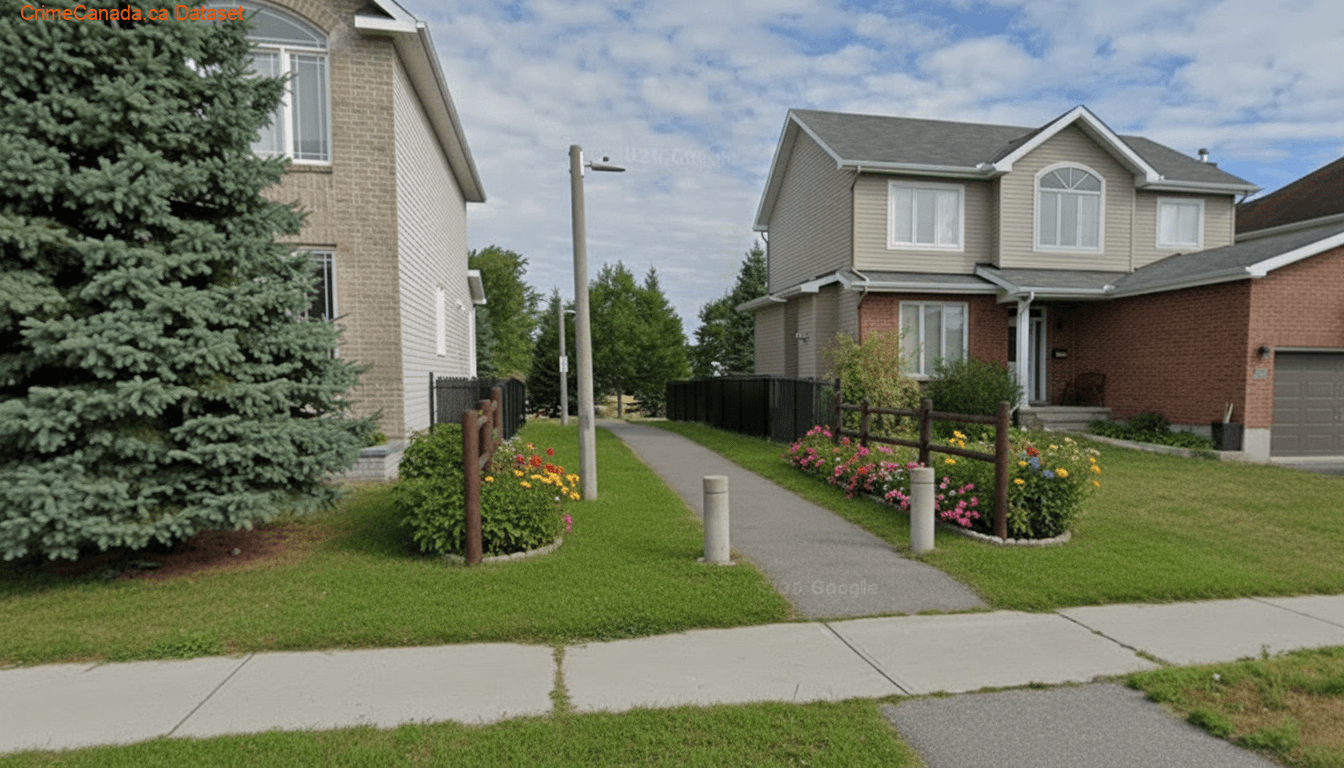
Ottawa Police Service says its investigation into a crossbow bolt found lodged in a home on Plainhill Drive in Orléans has concluded. The bolt entered the exterior of the residence sometime overnight between June 7 and 8. Police reported no injuries to residents, bystanders or animals.
According to police, investigators used neighbourhood inquiries, video review, witness interviews and consultation with the Ontario Ministry of Natural Resources to identify the person responsible. That person attended an east-end police station on July 17 and said they had fired at a coyote near a path by Lalande Conservation Park. Police said the bolt missed the animal, deflected from pavement and struck the nearby house. The individual was directed to a diversion process rather than charged, and no further enforcement action or public identification has been announced.
Community Context and Social Sentiment
The event occurred in a residential area bordering parkland, where wildlife encounters had already become a local safety concern. Lalande Conservation Park had drawn heightened attention after a teenager was reportedly injured in a coyote encounter on June 3, leading to a temporary park closure and a response involving municipal and provincial wildlife authorities.
Open-source discussion reviewed for this brief shows a mixed but broadly concerned reaction. Some residents have focused on persistent coyote activity and the need for timely wildlife-management measures. Others have emphasized that discharging a crossbow near homes creates a separate and potentially serious public-safety risk, regardless of the intended target. These comments are anecdotal rather than representative polling, but they point to a shared concern: wildlife conflicts should be reported to the appropriate authorities rather than addressed through actions that can put neighbours, pets or passersby at risk.

“People are worried both about coyotes in the park and about anyone using a weapon close to houses,” was the recurring theme in local online commentary reviewed for this report.
Available reporting does not identify Plainhill Drive or the conservation area as a recurring location for interpersonal violence or weapon offences. In this case, the available evidence indicates unintended property damage during a wildlife-related incident, not an allegation that the home or its occupants were deliberately targeted. That distinction is important, while not minimizing the danger posed by a projectile entering a residential setting.
Statistical Overview: What This Does and Does Not Show
No Ottawa-wide crime dataset in the supplied material establishes that crossbow incidents are increasing in Orléans or that this address is part of a broader weapon-crime pattern. The more immediate local pattern described in official and media accounts is a wildlife-management issue at the suburban edge of parkland. Residents should avoid treating one resolved incident as evidence of a generalized violent-crime trend in the neighbourhood.
Crossbows can nevertheless cause severe injury and may be treated as weapons in criminal investigations. Standard crossbows are generally not subject to the same federal licensing and registration framework as firearms, but their possession and use remain subject to applicable criminal, hunting, municipal and property-safety laws. The reported diversion outcome is not a finding that the incident was harmless; it means authorities assessed the identified person as suitable for an alternative accountability process instead of prosecution.
For a broader perspective, Crime Canada’s local-statistics tools are designed to distinguish recorded crime patterns from isolated events; for example, readers can review how the platform presents community crime statistics and safety data in Oxbow. Comparable Ottawa-specific figures were not included in the source material for this brief, so no numerical comparison is asserted here.
For residents, the practical safety takeaway is straightforward: maintain distance from coyotes, supervise pets near wooded corridors, report aggressive or unusual wildlife behaviour to local authorities, and call police when an immediate threat or weapon discharge is involved. A coyote concern and an unsafe projectile discharge can both require a public response, but they are different risks requiring trained authorities and appropriate reporting channels.
About This Report
This safety alert was generated by aggregating data from local authorities, community reports, and open-source intelligence. Our mission at Crime Canada is to provide citizens with localized safety data and context. We are not the original creators of the underlying news reports.
Primary Source: Information in this report was initially covered by Natasha O’Neill for CityNews Ottawa.
Additional Research & Context
- Ottawa Police Service’s release on the identified individual and diversion outcome.
- Ontario guidance on preventing and managing conflicts with coyotes.