
Table of Contents
Shots Fired at Occupied Home in Surrey City Centre: What We Know and Community Safety Context
Early-Morning Shooting: Key Facts for Residents
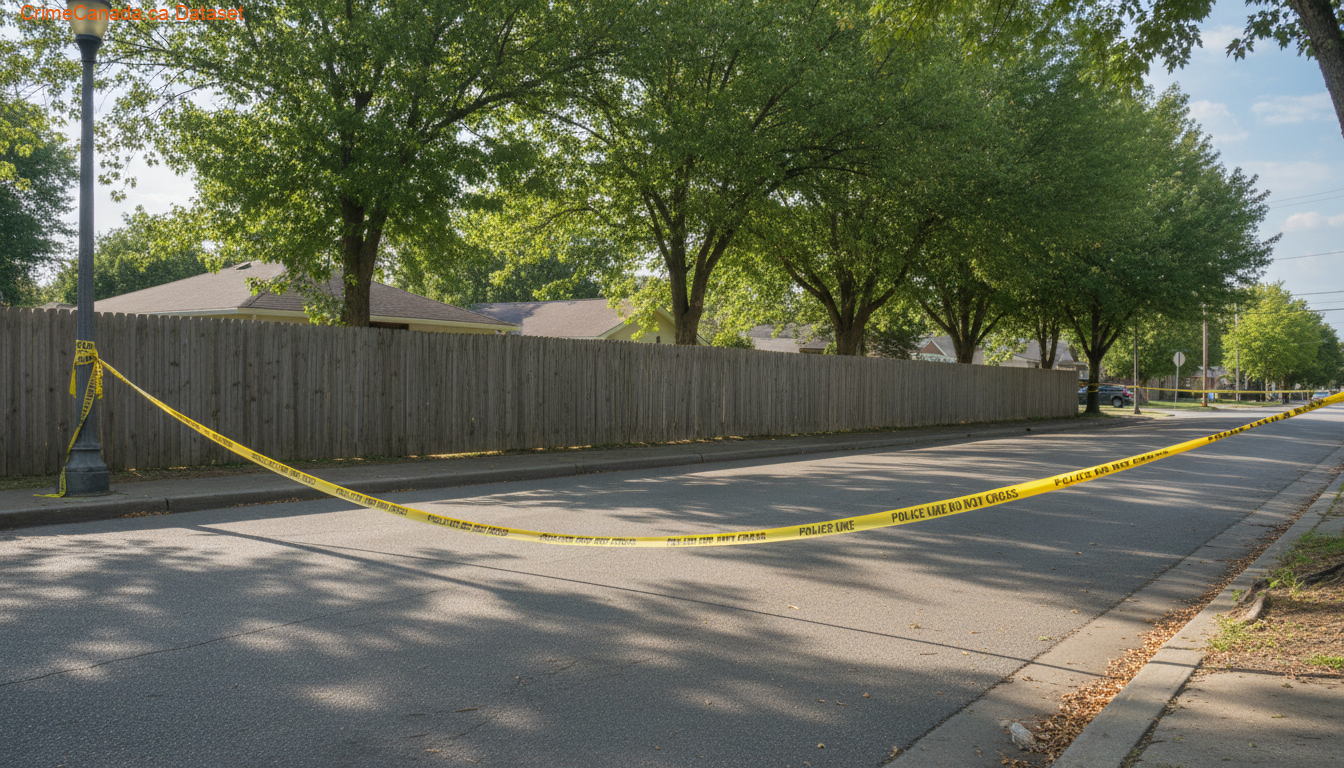
Police are investigating after shots were fired at a home in Surrey City Centre early Thursday morning. According to the Surrey Police Service (SPS), officers were called shortly after 6 a.m. to a residence in the area of 96 Avenue and 133A Street, where they found damage to the exterior of the building consistent with gunfire.
The home was occupied when the shots were fired, but SPS reports that no one was physically injured. Investigators have said the incident appears to have been targeted, though the underlying motive is still unknown. SPS has also indicated it is not yet clear whether this incident is connected to any form of extortion. As of the latest available information, there have been no public updates on suspects, arrests, or charges tied to SPS file number 26-58932.
Police remained in the neighbourhood on Thursday to collect evidence and canvass the area. Authorities are asking anyone with information or relevant video to contact the SPS non-emergency line and reference file 26-58932 (SP). No further details have been released about the occupants of the residence or any prior incidents at that specific address.
Community Reaction and Neighbourhood Safety Profile
The intersection of 96 Avenue and 133A Street sits within the broader City Centre/Whalley area of Surrey, just east of major transit and commercial corridors. This part of the city is characterized by a mix of single-family homes, low-rise apartments, and intensifying higher-density development. It is also an area that has long been associated, in public perception and some crime data, with higher rates of street disorder, property crime, and periodic gun violence compared with many other Surrey neighbourhoods.

While online conversation around this particular early-morning incident appears limited—likely due in part to the absence of injuries—local discussion about repeated shootings in and around City Centre remains tense. Residents posting on community forums and local social media frequently describe a sense of fatigue and frustration with ongoing gun-related activity in the area. Comments often point to a pattern of being told that incidents are “targeted” while people living in nearby homes, apartments, and shelters still hear gunfire or wake up to police tape.
Neighbourhood-level commentary in recent months reflects a common theme: people who live in City Centre say they are tired of seeing bullet damage and police cordons, even when police note that no one was hurt and that the intended targets are specific individuals.
This gap between official assurances and lived experience can heighten anxiety, even when statistics show fluctuations or declines in some violent-crime categories. For residents trying to make everyday decisions about walking to transit, letting children play outside, or commuting in the early morning, the fact that this incident occurred at around 6 a.m. underscores concerns about safety at times when many people are heading to work or school.
To place this incident in a broader context, citywide crime trend data—such as that summarized on our Surrey crime statistics and safety profile page—show that Surrey experiences a mix of high-volume property crime and episodic serious violence, including firearms incidents. Within that landscape, City Centre/Whalley has repeatedly appeared as one of the more heavily impacted areas.
How This Fits Into Broader Crime Trends
Gun violence in Metro Vancouver, including Surrey, has been a sustained concern over the last decade. Public safety operations by local police, regional gang units, and integrated task forces have repeatedly focused on shootings in public or semi-public spaces, many of which are connected to organized crime or gang-related conflicts. While not every incident is tied to those networks—and SPS has not publicly identified any such connection in this case—the pattern of targeted shootings in residential areas contributes to community unease.
At the regional level, the broader Vancouver census metropolitan area has posted violent-crime severity scores above the Canadian national average in recent years, driven in part by weapons offences, assaults, and homicides. Statistics Canada data also show that the Vancouver CMA’s homicide rate has often been higher than that of some other large Canadian cities. Analytical work comparing crime across cities indicates that several western Canadian metropolitan areas, including Vancouver, tend to carry elevated violent-crime indices relative to many Central and Eastern Canadian CMAs.
National comparisons help explain why residents in Surrey report feeling unsafe even during periods when specific indicators improve. In some major urban centres, such as Toronto, recent police and third-party analyses have documented declines in several key crime categories—including homicides and robberies—while surveys simultaneously show that most residents still believe crime is rising. This disconnect between data and perception is mirrored in Metro Vancouver, where repeated media coverage of shootings and visible street disorder can overshadow quieter reductions in some forms of crime.
For Surrey in particular, gunfire directed at a residence in a dense urban neighbourhood, as in this incident, reinforces the perception that violence can surface close to homes, transit hubs, and community services. Even when no injuries occur, the presence of bullet damage on a home can have a lasting impact on how neighbours assess risk and decide where to live, work, or invest. Comparative data from other B.C. communities—such as the relatively smaller-scale crime patterns outlined in the Squamish crime statistics and safety report—highlight how intensely localized serious violent incidents can be within the same province.
From a safety-planning perspective, this incident underscores several ongoing themes:
- Firearms incidents in Surrey City Centre tend to cluster within a broader context of regional gun and gang activity, even when motives are not fully understood.
- Official confirmation that an event is “targeted” may reduce concern about random victimization but does not erase the fear generated by gunfire in dense residential settings.
- Residents benefit from tracking both police updates and independent crime data so they can separate long-term trends from isolated but high-impact events.
At the time of writing, SPS has not released information pointing to a broader immediate threat to the general public stemming from this particular shooting. However, investigators’ ongoing presence in the area, the focus on whether extortion or other criminal dynamics may be involved, and the existing reputation of City Centre as a higher-risk zone all contribute to heightened vigilance among local residents and businesses.
About This Report
This safety alert was generated by aggregating data from local authorities, community reports, and open-source intelligence. Our mission at Crime Canada is to provide citizens with localized safety data and context. We are not the original creators of the underlying news reports.
Primary Source: Information in this report was initially covered by Emma Crawford for CityNews Vancouver.
Additional Research & Context
- Regional and national violent-crime patterns, including homicide and firearm incidents, are analyzed using Statistics Canada homicide and violent-crime data by census metropolitan area.
- Comparative research on crime severity across Canadian and U.S. cities is summarized in Fraser Institute reports on ranking crime in Canada and the United States, which highlight elevated violent-crime indices in several western CMAs including Vancouver.
- Public perception versus measured crime trends—relevant to how residents interpret shootings like this one—is explored in reporting from CBC on GTA residents’ crime concerns despite declining police-recorded violence.